
Updated January 2026
Winter weather damages hardscapes by forcing water into small cracks and joints, where freezing temperatures cause expansion, shifting, and surface breakdown. Over time, this leads to cracked pavers, uneven patios, crumbling edges, and costly repairs. Using proper materials, improving drainage, and addressing small issues early helps homeowners prevent costly hardscape repairs come spring.
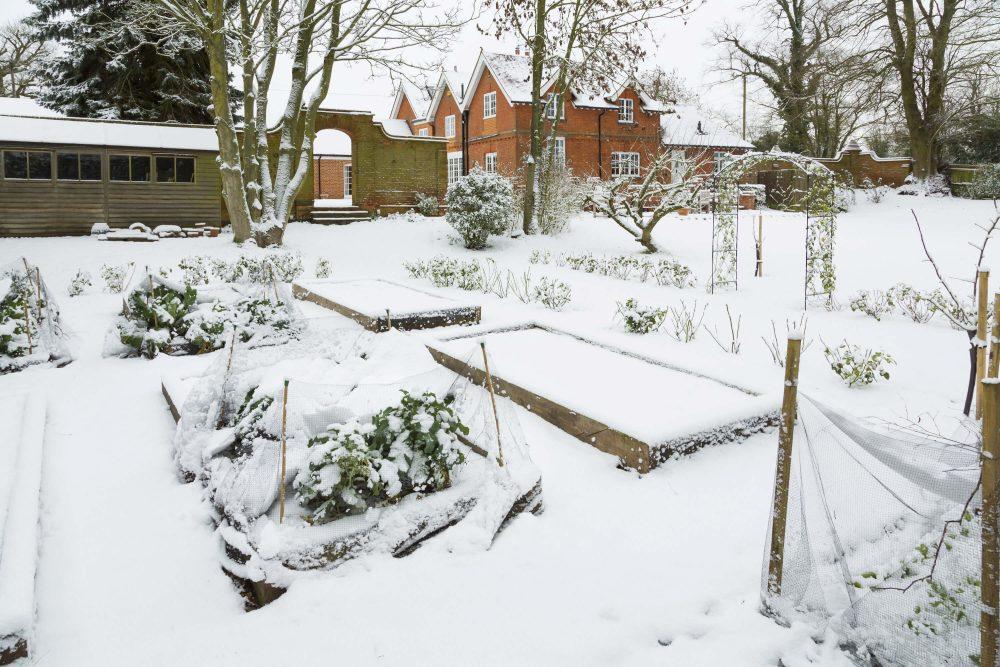
The Real Problem in Cold Weather
Stone and concrete don’t fail just because it’s cold. They fail because water has nowhere to go. Melting snow seeps into joints, base layers, and tiny surface cracks. When temperatures drop, that trapped moisture expands. Multiply that process dozens of times each winter, and the damage adds up.
Poor drainage makes things worse. Sloped patios that settle incorrectly, compacted base layers that shift, or clogged joints all allow water to linger. Winter simply exposes weaknesses that were already there.
Not All Winter Products are Created Equal
Your choice of de-icing materials matter more than most homeowners realize. Some products speed up ice melting but aggressively attack concrete, stone, and joint sand. Others are gentler but need proper application.
Winter De-Icing Impact Comparison
Consider what materials are used around your home and which de-icing methods may be best.
| Winter Threat | Type of Damage | Most Affected Materials |
| Rock salt | Surface scaling and erosion | Concrete, limestone |
| Calcium chloride | Accelerated cracking | Pavers, concrete |
| Sand | Minimal damage, clogs joints | All hardscapes |
| Pet-safe ice melt | Lower risk, slower action | Most stone surfaces |
What to notice here: fast ice-melt often comes with long-term surface damage.
Try These Preventative Measures
To avoid major hardscaping damage, there are a few preemptive measures you can take:
Fixing Cracks
When you find cracks, use the proper material to fill them in or cover them up. It’s crucial to limit the size of cracks within the hardscape you choose for your property.
Improve Water Runoff
The more water that collects on your hardscape, the higher the chance of freezing or washing away material. Install drainage areas to minimize the amount of water that builds up, allowing it to drain off the sides or into other areas. Additionally, good drainage helps redirect water so it doesn’t cause small sinkholes under your patio or driveway.
Decrease Weight Load
For seasons or months where you’re not outside, remove furniture, decorations, or other items that usually reside on your hardscape. In the case that your hardscape does struggle with water or ice damage, decreasing the total weight will prevent it from breaking entirely.
FAQs homeowners ask every winter
Can winter hardscape damage be prevented?
Yes. Proper drainage, quality materials, and seasonal inspection dramatically reduce risk.
Is salt bad for pavers?
Many salts are. They speed up surface breakdown and joint erosion over time.
Should cracks be fixed before spring?
Small cracks should be addressed early to prevent water from making them worse.
How do I know when damage is serious?
Uneven surfaces, widening gaps, or loose stones signal deeper base problems.
Smart prep beats spring repairs
Winter damage rarely shows up overnight. It builds slowly, then reveals itself when snow melts. Choosing the right stone, base materials, joint products, and winter supplies makes a real difference in how your outdoor spaces age.
Should you want guidance on materials that hold up through freeze-thaw cycles, the team at Keystone Landscape Supply is there to help you plan ahead instead of fixing problems later.
Visit Keystone Landscape Supply, talk with our experts, and choose materials that protect your investment year after year. Preparing now is always easier than repairing later.